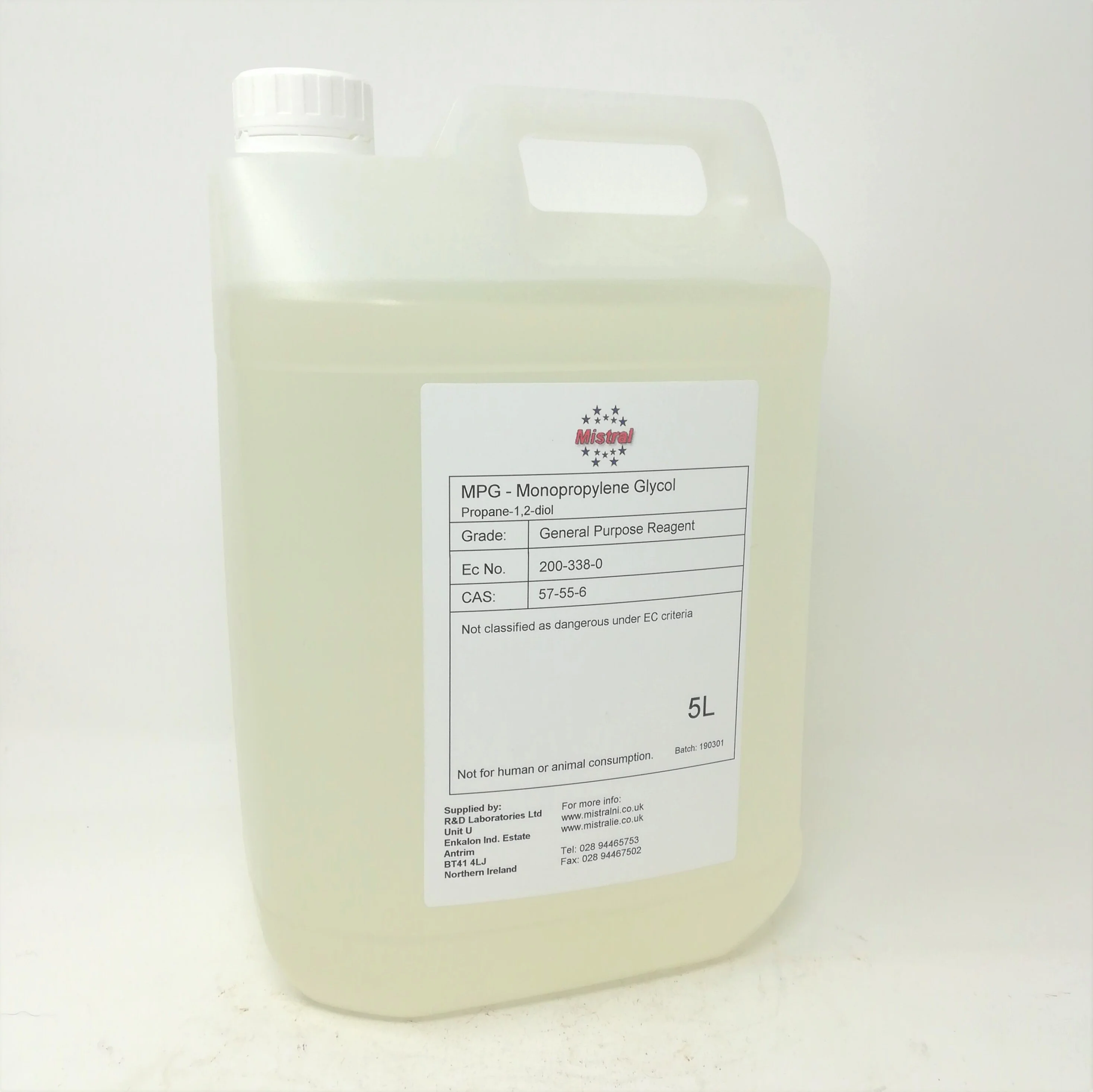
Inhibited Propylene Glycol / MPG - Heat transfer fluid & Antifreeze
PROPYLENE GLYCOL INHIBITED
MONOPROPYLENE GLYCOL + ASCOTRAN-RCX 8%
Technical Grade
Inhibited propylene glycol is a type of propylene glycol formulated with corrosion inhibitor (ASCOTRAN-RCX) to prevent the degradation of metal surfaces in heat transfer systems. It is commonly used in systems where heat is transferred, such as HVAC units, cooling towers, and refrigeration systems. The addition of inhibitors protects metals like copper, brass, steel, and aluminum from corrosion, which can significantly extend the life of the system. This additive package is based on Organic Acid Technology (OAT), to produce finished product which is free from any nitrite, amine, phosphate, borax, silicate and 2-Ethylhexanoate.
Key Properties:
- Base Component: Propylene glycol, a colorless, odorless, and slightly viscous liquid, is the base for this solution. It has a high capacity for heat transfer and a low freezing point when mixed with water, making it ideal for heating and cooling systems.
- Inhibitors: Special OAT inhibitor is mixed with the propylene glycol to prevent oxidation, corrosion, and scaling of metal surfaces, which would otherwise degrade system efficiency.
How It Is Used as a Heat Transfer Fluid:
Inhibited propylene glycol is used in various systems where heat needs to be transferred efficiently while maintaining the integrity of the equipment. Here's how it's applied:
-
Industrial HVAC Systems:
- Purpose: In heating, ventilation, and air conditioning systems, inhibited propylene glycol is circulated to absorb heat from one part of the system and release it in another, either cooling or heating the air.
- Advantage: It prevents the corrosion of metal components, ensuring long-term efficiency and reducing maintenance costs.
-
Non-food Refrigeration Systems:
- Purpose: Used in refrigeration systems where sensitive materials need to be kept at a consistent, cool temperature.
- Advantage: It maintains low temperatures without freezing and prevents corrosion, which is essential in industrial refrigeration systems where toxic fluids are not an option.
-
Geothermal and Solar Energy Systems:
- Purpose: Inhibited propylene glycol is often used as the circulating fluid in geothermal and solar energy systems. It transfers heat collected from the ground or solar panels to other parts of the system for heating or cooling purposes.
- Advantage: The inhibited solution helps protect the piping and components of these renewable energy systems from corrosion, ensuring durability.
-
Industrial Heat Transfer:
- Purpose: It is used in a wide range of industrial processes where heat must be transferred from one part of a machine or system to another.
- Advantage: It not only provides efficient heat transfer but also safeguards the industrial equipment from corrosion, which could lead to costly downtime or repairs.
Benefits of Using Inhibited Propylene Glycol:
- Corrosion Protection: The inhibitors in the solution prevent corrosion in metals commonly used in heat transfer systems, such as steel, copper, and aluminum.
- Freeze Protection: When mixed with water, it lowers the freezing point of the system, preventing pipes from bursting in colder environments.
- Reduced Maintenance: The inhibitors in the fluid reduce scaling and corrosion, lowering the need for frequent maintenance and extending the lifespan of equipment.
Typical Applications:
- Chillers and Cooling Towers
- Solar heating systems
- Geothermal heating and cooling systems
Inhibited propylene glycol provides a balanced solution of heat transfer efficiency, non-toxicity, and equipment protection, making it a popular choice in systems that need both thermal performance and long-term durability.
DEPRESSION OF FREEZING POINT OF WATER:
Propylene glycol is a component in newer antifreezes and de-icers used at airports. Like ethylene glycol (MEG), the freezing point of propylene glycol is depressed when mixed with water due to disruption of hydrogen bonding. Unlike ethylene glycol, propylene glycol is much lower in toxicity. It is readily biodegradable.
Freezing Points of Propylene Glycol / Water Mixtures Percent
| Propylene Glycol (wt. %) | Freezing Point (F) | Freezing Point (C) |
|---|---|---|
| 0 | 32 | 0 |
| 10 | 26 | -3 |
| 20 | 20 | -7 |
| 30 | 10 | -12 |
| 36 | 0 | -18 |
| 40 | -5 | -20 |
| 43 | -10 | -23 |
| 48 | -20 | -29 |
| 52 | -30 | -34 |
| 55 | -40 | -40 |
| 58 | -50 | -46 |
| 60 | -60 | -51 |
Health & safety
Not a hazardous substance or mixture according to EC-directives 67/548/EEC or 1999/45/EC.
PLEASE NOTE: This product is not for human or animal consumption.
Click here to view sales specification sheet
Buy PG Propylene glycol GRG
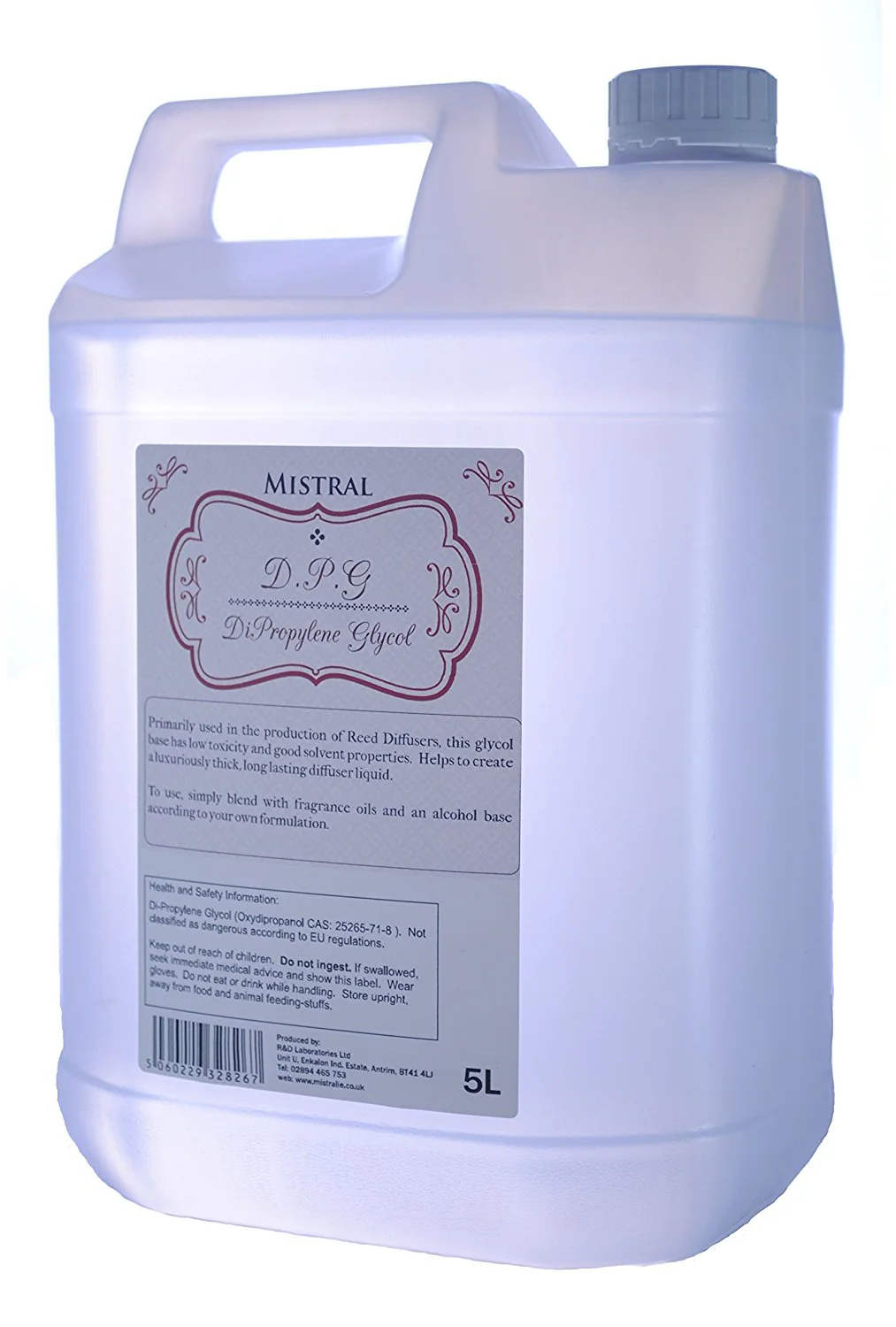
Buy DPG Dipropylene Glycol
Original: $23.12
-65%$23.12
$8.09Product Information
Product Information
Shipping & Returns
Shipping & Returns
Description
PROPYLENE GLYCOL INHIBITED
MONOPROPYLENE GLYCOL + ASCOTRAN-RCX 8%
Technical Grade
Inhibited propylene glycol is a type of propylene glycol formulated with corrosion inhibitor (ASCOTRAN-RCX) to prevent the degradation of metal surfaces in heat transfer systems. It is commonly used in systems where heat is transferred, such as HVAC units, cooling towers, and refrigeration systems. The addition of inhibitors protects metals like copper, brass, steel, and aluminum from corrosion, which can significantly extend the life of the system. This additive package is based on Organic Acid Technology (OAT), to produce finished product which is free from any nitrite, amine, phosphate, borax, silicate and 2-Ethylhexanoate.
Key Properties:
- Base Component: Propylene glycol, a colorless, odorless, and slightly viscous liquid, is the base for this solution. It has a high capacity for heat transfer and a low freezing point when mixed with water, making it ideal for heating and cooling systems.
- Inhibitors: Special OAT inhibitor is mixed with the propylene glycol to prevent oxidation, corrosion, and scaling of metal surfaces, which would otherwise degrade system efficiency.
How It Is Used as a Heat Transfer Fluid:
Inhibited propylene glycol is used in various systems where heat needs to be transferred efficiently while maintaining the integrity of the equipment. Here's how it's applied:
-
Industrial HVAC Systems:
- Purpose: In heating, ventilation, and air conditioning systems, inhibited propylene glycol is circulated to absorb heat from one part of the system and release it in another, either cooling or heating the air.
- Advantage: It prevents the corrosion of metal components, ensuring long-term efficiency and reducing maintenance costs.
-
Non-food Refrigeration Systems:
- Purpose: Used in refrigeration systems where sensitive materials need to be kept at a consistent, cool temperature.
- Advantage: It maintains low temperatures without freezing and prevents corrosion, which is essential in industrial refrigeration systems where toxic fluids are not an option.
-
Geothermal and Solar Energy Systems:
- Purpose: Inhibited propylene glycol is often used as the circulating fluid in geothermal and solar energy systems. It transfers heat collected from the ground or solar panels to other parts of the system for heating or cooling purposes.
- Advantage: The inhibited solution helps protect the piping and components of these renewable energy systems from corrosion, ensuring durability.
-
Industrial Heat Transfer:
- Purpose: It is used in a wide range of industrial processes where heat must be transferred from one part of a machine or system to another.
- Advantage: It not only provides efficient heat transfer but also safeguards the industrial equipment from corrosion, which could lead to costly downtime or repairs.
Benefits of Using Inhibited Propylene Glycol:
- Corrosion Protection: The inhibitors in the solution prevent corrosion in metals commonly used in heat transfer systems, such as steel, copper, and aluminum.
- Freeze Protection: When mixed with water, it lowers the freezing point of the system, preventing pipes from bursting in colder environments.
- Reduced Maintenance: The inhibitors in the fluid reduce scaling and corrosion, lowering the need for frequent maintenance and extending the lifespan of equipment.
Typical Applications:
- Chillers and Cooling Towers
- Solar heating systems
- Geothermal heating and cooling systems
Inhibited propylene glycol provides a balanced solution of heat transfer efficiency, non-toxicity, and equipment protection, making it a popular choice in systems that need both thermal performance and long-term durability.
DEPRESSION OF FREEZING POINT OF WATER:
Propylene glycol is a component in newer antifreezes and de-icers used at airports. Like ethylene glycol (MEG), the freezing point of propylene glycol is depressed when mixed with water due to disruption of hydrogen bonding. Unlike ethylene glycol, propylene glycol is much lower in toxicity. It is readily biodegradable.
Freezing Points of Propylene Glycol / Water Mixtures Percent
| Propylene Glycol (wt. %) | Freezing Point (F) | Freezing Point (C) |
|---|---|---|
| 0 | 32 | 0 |
| 10 | 26 | -3 |
| 20 | 20 | -7 |
| 30 | 10 | -12 |
| 36 | 0 | -18 |
| 40 | -5 | -20 |
| 43 | -10 | -23 |
| 48 | -20 | -29 |
| 52 | -30 | -34 |
| 55 | -40 | -40 |
| 58 | -50 | -46 |
| 60 | -60 | -51 |
Health & safety
Not a hazardous substance or mixture according to EC-directives 67/548/EEC or 1999/45/EC.
PLEASE NOTE: This product is not for human or animal consumption.
Click here to view sales specification sheet
Buy PG Propylene glycol GRG
Buy DPG Dipropylene Glycol